Inchstones by Saturday's Story
Inchstones by Saturday's Story
Podcast Description
Inchstones by Saturday's Story is hosted by neurodiversity advocate Sarah Kernion, a mom of three whose younger children, Milly (9) and Mack (7), have non-speaking autism. Sarah dives into real-life questions & topics about the autism spectrum, offering the valuable insights that fellow autism parents often seek.
Inspired by Kernion's trademarked term "Inchstones," the show celebrates the small yet significant milestones in the lives of children with autism and their families. Each episode features individuals impacted by autism, sharing their stories and perspectives to inspire parents and allow them to embrace their child's unique neurodiversity with greater appreciation and empathy.
Podcast Insights
Content Themes
The podcast explores the autism spectrum, parenting dynamics, community support, and personal empowerment, featuring episodes such as interviews with neurodivergent advocates and discussions about societal pressures on parents. Key focus areas include acceptance of neurodiversity, celebrating small milestones in children's development, and offering practical advice for navigating motherhood.
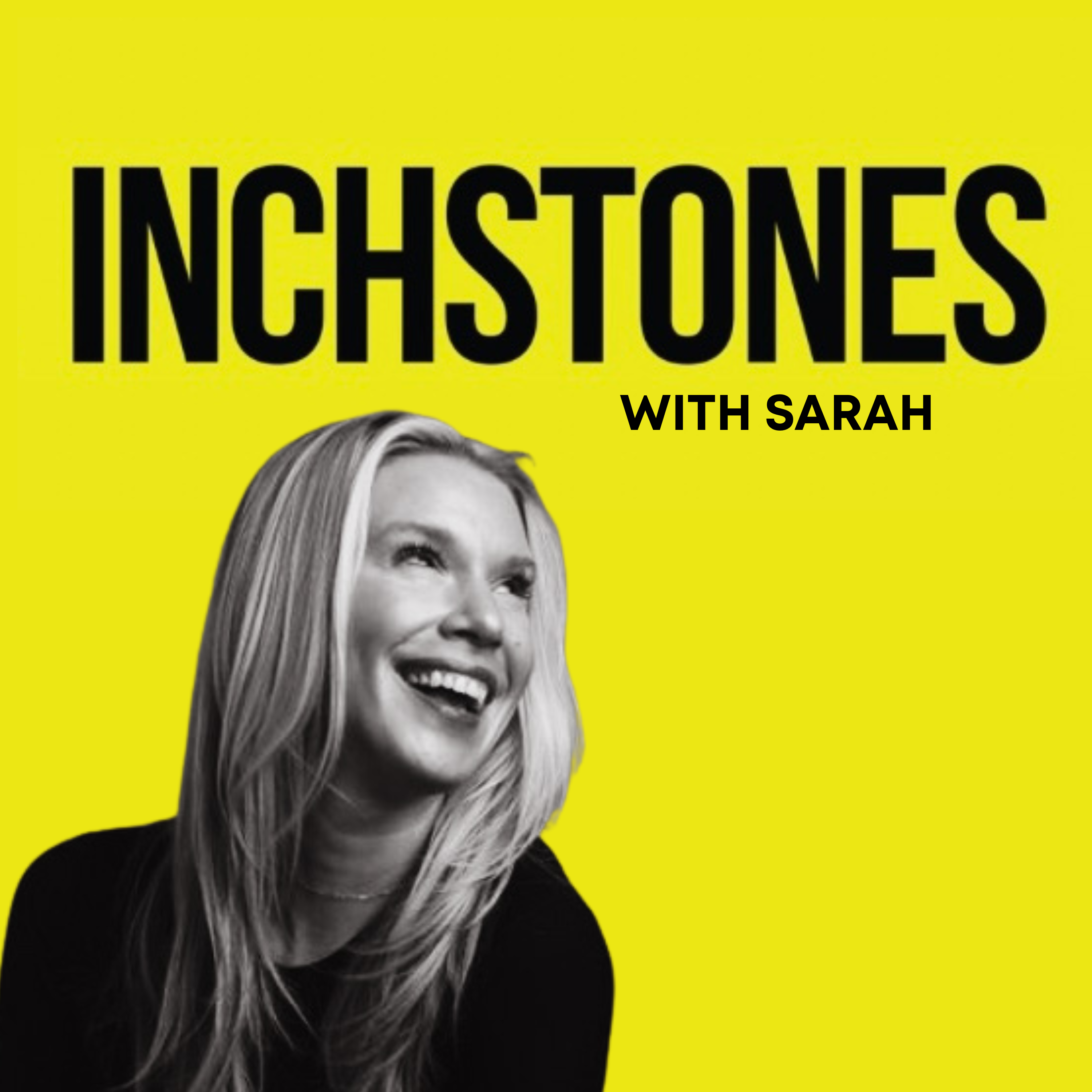
INCHSTONES is a podcast about caregiver stories, nonverbal autism, and the realities of special needs parenting—hosted by Sarah Kernion, a mother raising two children with profound, non-speaking autism.
Here, we talk honestly about the parts of autism and disability parenting that don’t always fit neatly into an inspirational story: caregiver burnout, grief and acceptance, communication, sensory needs, advocacy, family dynamics, therapies, education, sibling relationships, and the uncertainty of raising children with significant support needs.
But INCHSTONES is also about learning to recognize progress differently.
Because when you’re parenting a child with profound or nonverbal autism, the moments that change everything aren’t always traditional milestones. Sometimes they’re the inchstones: a new form of communication, a regulated transition, a moment of connection, a life skill practiced for the hundredth time, or something your child does today that once felt impossible.
Through candid caregiver stories and conversations with parents, physicians, therapists, researchers, educators, advocates, and autistic voices, Sarah explores the questions families are actually asking about autism, special needs parenting, profound autism care, autism communication, caregiver mental health, autism therapy options, special education, sensory support, and life beyond childhood.
There are no perfect answers here. There are real families, complicated conversations, practical insights, hard truths, unexpected joy, and a community that understands that progress doesn’t have to look typical to matter.
If you’re raising an autistic child, parenting a nonverbal or nonspeaking child, navigating profound support needs, or looking for honest conversations about special needs family life, welcome to INCHSTONES.
Because milestones aren’t the only measure of a meaningful life.
What does disability inclusion look like when nobody is trying to make a statement—they’re simply helping someone fully enjoy the moment?
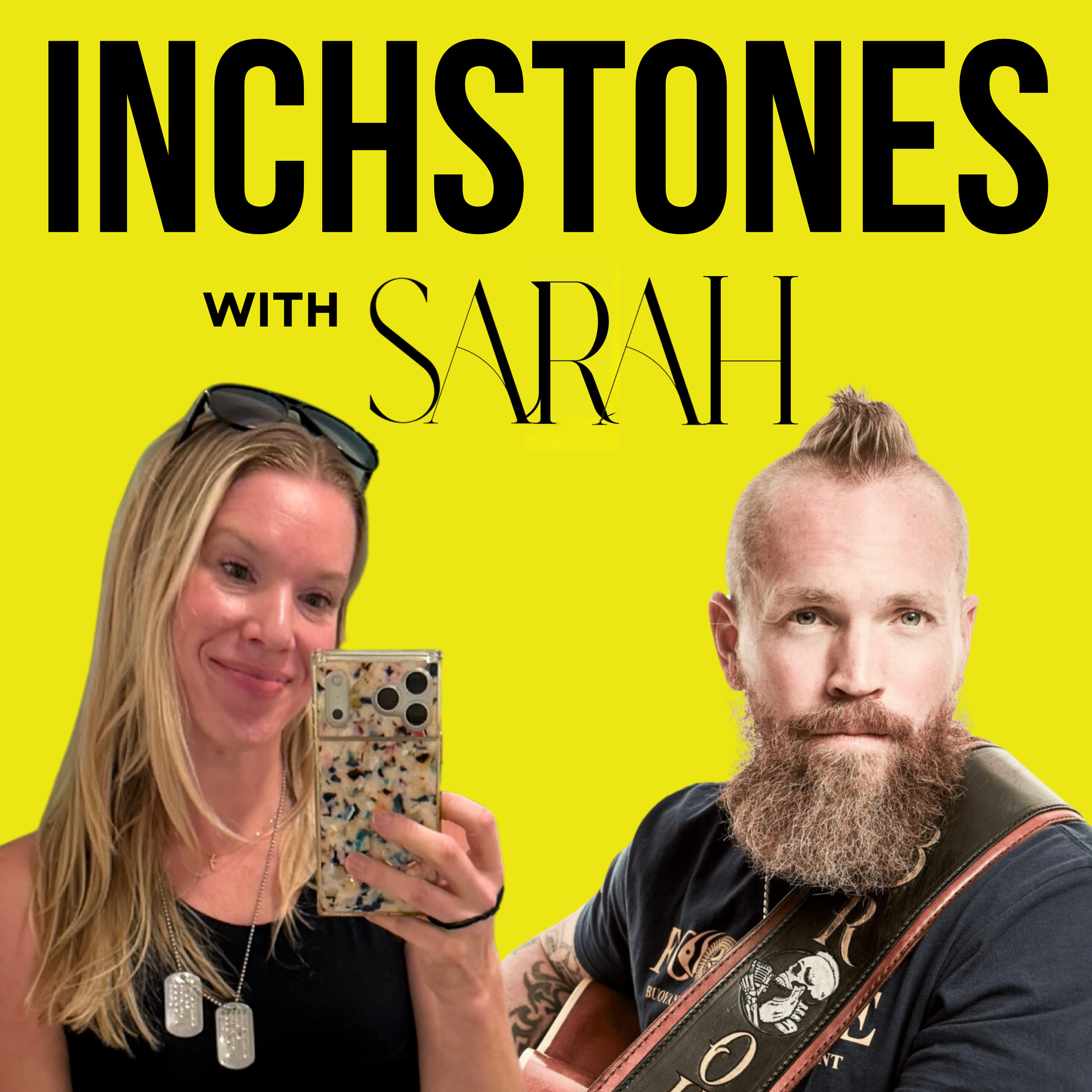
Nashville singer-songwriter, Navy veteran and former physical therapist Brooks Herring joins Sarah Kernion after a video of him singing a young woman’s favorite song directly to her reached millions of people.
Brooks shares how his relationship with disability was shaped by his younger brother Mark, who has Down syndrome, and why music has become one of the ways he creates connection across disability, veterans’ communities and live audiences.
Sarah and Brooks talk about accessible experiences, controlling the environment when outings feel overwhelming, the power of favorite songs and why the smallest moments can become enormous.
Because belonging isn’t simply being allowed into the room. It’s getting to fully live in the room once you’re there.
Topics Discussed:
disability inclusion, disability family stories, sibling relationships, Down syndrome, special needs siblings, inclusive communities, music and disability, accessible live music, disability advocacy, nonverbal communication, caregiver experiences, sensory-friendly outings, community participation, sibling advocacy, veterans, physical rehabilitation, joy, belonging, inclusion, sobriety, role models and meaningful moments.
Key Questions Answered
1. What does authentic disability inclusion look like in everyday life?
2. How did having a brother with Down syndrome shape Brooks Herring’s perspective?
3. Why did Brooks’ interaction with a young woman with disabilities resonate with millions of people?
4. What can music offer when spoken language isn’t the primary form of connection?
5. How can caregivers make live music experiences more accessible or manageable?
6. Why can quieter times and smaller environmental changes make community participation easier?
7. What can artists do to help people with disabilities feel genuinely welcome?
8. Why are seemingly small moments sometimes enormous for people with disabilities and their families?
9. What’s the difference between access and belonging?
10. How can siblings and allies become meaningful advocates without making disability about themselves?
Resources
Brooks Herring
Follow Brooks Herring for his music, live performances and work connecting with audiences through music.
INCHSTONES Podcast
Subscribe to the INCHSTONES Podcast for caregiver stories and honest conversations about special needs parenting, profound autism, disability, inclusion, communication, caregiver wellbeing and building meaningful lives for people with significant support needs.
Disclaimer
This podcast’s information is provided for general reference and was obtained from publicly accessible sources. The Podcast Collaborative neither produces nor verifies the content, accuracy, or suitability of this podcast. Views and opinions belong solely to the podcast creators and guests.
For a complete disclaimer, please see our Full Disclaimer on the archive page. The Podcast Collaborative bears no responsibility for the podcast’s themes, language, or overall content. Listener discretion is advised. Read our Terms of Use and Privacy Policy for more details.