The Entrepreneurial Strategy Series
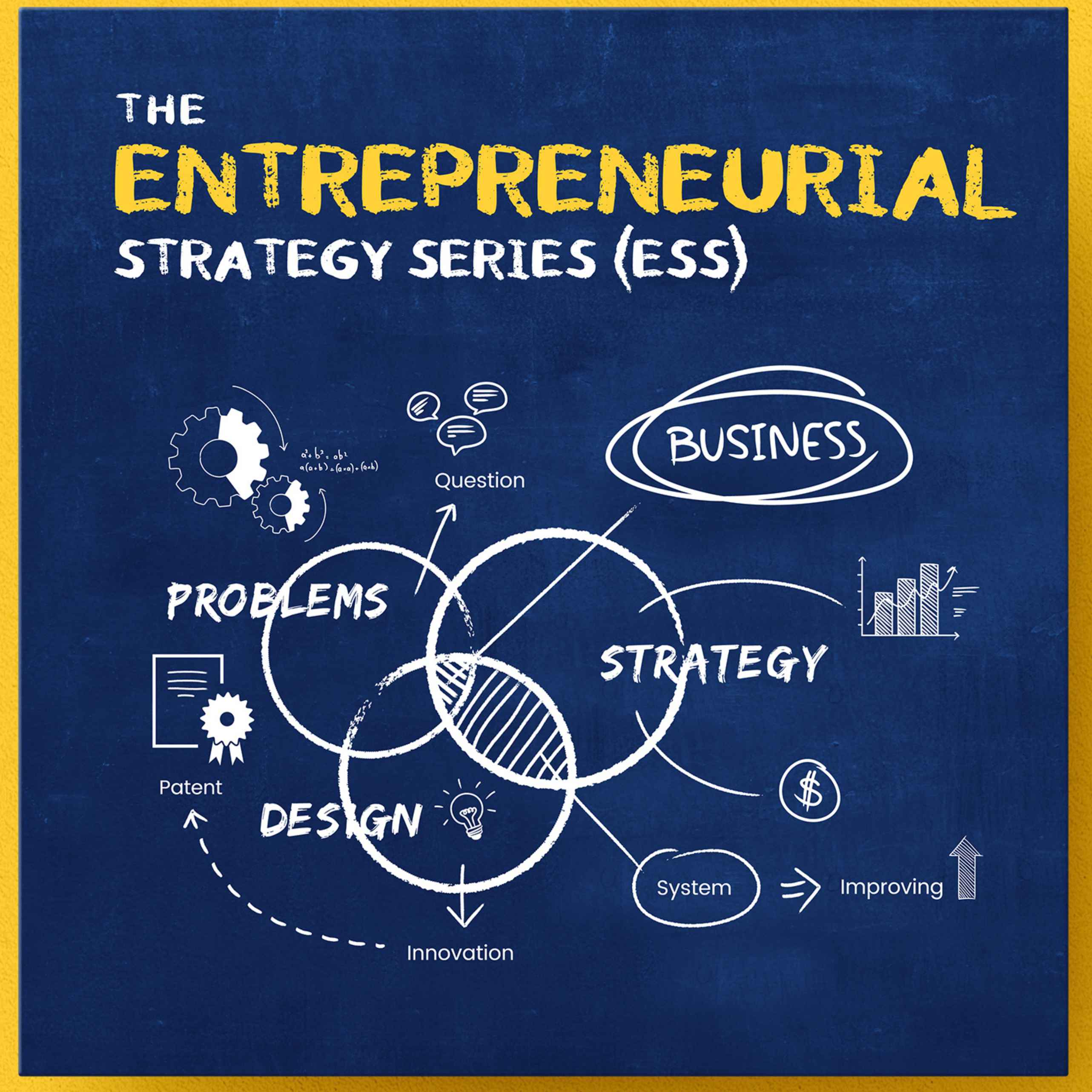
The Entrepreneurial Strategy Series
Podcast Description
Every month Gearhart Law attorneys interview successful entrepreneurs and leading business experts. Each episode explores key topics for entrepreneurs, including intellectual property, securing funding, successful pitching, attracting investors, strategic marketing, AI trends, and more, providing valuable insights to help grow and protect your business. Hosted by David Postolski, Esq.
Podcast Insights
Content Themes
The podcast covers a variety of themes critical to entrepreneurs, including intellectual property, funding strategies, pitching techniques, strategic marketing, and the latest AI trends. Specific episodes include discussions on increasing company value through advanced valuation strategies and modern funding methods such as equity crowdfunding.
Every month Gearhart Law attorneys interview successful entrepreneurs and leading business experts. Each episode explores key topics for entrepreneurs, including intellectual property, securing funding, successful pitching, attracting investors, strategic marketing, AI trends, and more, providing valuable insights to help grow and protect your business. Hosted by David Postolski, Esq.
AI governance, AI compliance, AI privacy, intellectual property, AI law, cybersecurity, AI ethics, AI regulation, ChatGPT, entrepreneurs, startups, business owners
AI can help entrepreneurs build faster, work smarter, and compete more effectively—but are you putting your business, intellectual property, confidential information, or customers at risk every time you use it?
In this episode, host David Postolski and guests Paul Roberts Esq, director at TransUnion, and Erica Watson, CEO of Data Strategy Advisors break down how entrepreneurs and growing companies can use artificial intelligence safely while navigating AI compliance, privacy laws, intellectual property, patents, copyrights, trade secrets, cybersecurity, AI bias, vendor contracts, data usage, and governance.
They explain what businesses should know before putting confidential information into tools like ChatGPT or Claude, how AI-generated content and software can affect IP protection, what to look for when negotiating AI vendor agreements, why human oversight matters, and how entrepreneurs can balance the risks of AI with the need to remain competitive. If you’re building, launching, or growing a business with AI, this conversation offers practical guidance for protecting your company while taking advantage of the technology.
Our Speakers:
- Ericka Watson, CEO of Data Strategy Advisors: https://www.linkedin.com/in/ericka-watson-data/
- Paul Roberts, Esq., Director at TransUnion and creator of IP Genie: https://www.linkedin.com/in/paulsoftwareip/
- David D. Postolski, Esq., Senior Partner at Gearhart Law: https://www.linkedin.com/in/davidpostolski/
Key Takeaways:
- AI Governance Needs to Be Proactive
Businesses should establish AI governance policies and risk controls before problems arise, rather than treating compliance as an afterthought. - Be Careful About What You Put Into AI Tools
Entrepreneurs and employees should think carefully before entering sensitive information into third-party AI platforms. This can include trade secrets, confidential business information, customer or employee data, personal information, unpublished inventions, source code, proprietary strategies, and client or contractual information. Companies should establish clear rules about what information may—and may not—be submitted to external AI systems. - AI Creates New Intellectual Property Questions
Businesses need to distinguish between using AI to help create or develop intellectual property and understanding what legal rights actually exist in AI-assisted outputs. - Privacy Cannot Be an Afterthought
Companies using AI and data-driven technologies need to consider privacy obligations from the beginning, including how personal and customer information is collected, processed, stored, and shared. - Responsible AI Includes Ethics and Transparency
AI governance should address more than legal compliance. Businesses should consider bias, discrimination, transparency, human oversight, and the potential consequences of AI-generated decisions and outputs. - AI Regulation Is Evolving Rapidly
AI regulation continues to develop in the United States and internationally. Entrepreneurs should avoid treating compliance as a one-time project and instead build systems that can adapt as laws, regulations, industry standards, and AI technologies evolve.
The Bottom Line: AI governance is not an obstacle to innovation. Good governance can enable innovation by helping businesses understand and manage AI risk before it becomes a problem.
Presented by the Entrepreneurial Strategy Series and Gearhart Law on August 27, 2026.
This podcast is sponsored by Gearhart Law is a full-service intellectual property law firm specializing in patents, trademarks, and copyrights—helping inventors, entrepreneurs, and startups protect and grow their innovations worldwide.
Get a FREE consultation: 908-273-0700
Learn more: https://gearhartlaw.com/
Follow the podcast for more episodes on startup strategy, intellectual property, AI law, and business growth.

Disclaimer
This podcast’s information is provided for general reference and was obtained from publicly accessible sources. The Podcast Collaborative neither produces nor verifies the content, accuracy, or suitability of this podcast. Views and opinions belong solely to the podcast creators and guests.
For a complete disclaimer, please see our Full Disclaimer on the archive page. The Podcast Collaborative bears no responsibility for the podcast’s themes, language, or overall content. Listener discretion is advised. Read our Terms of Use and Privacy Policy for more details.