AI Summer
AI Summer
Podcast Description
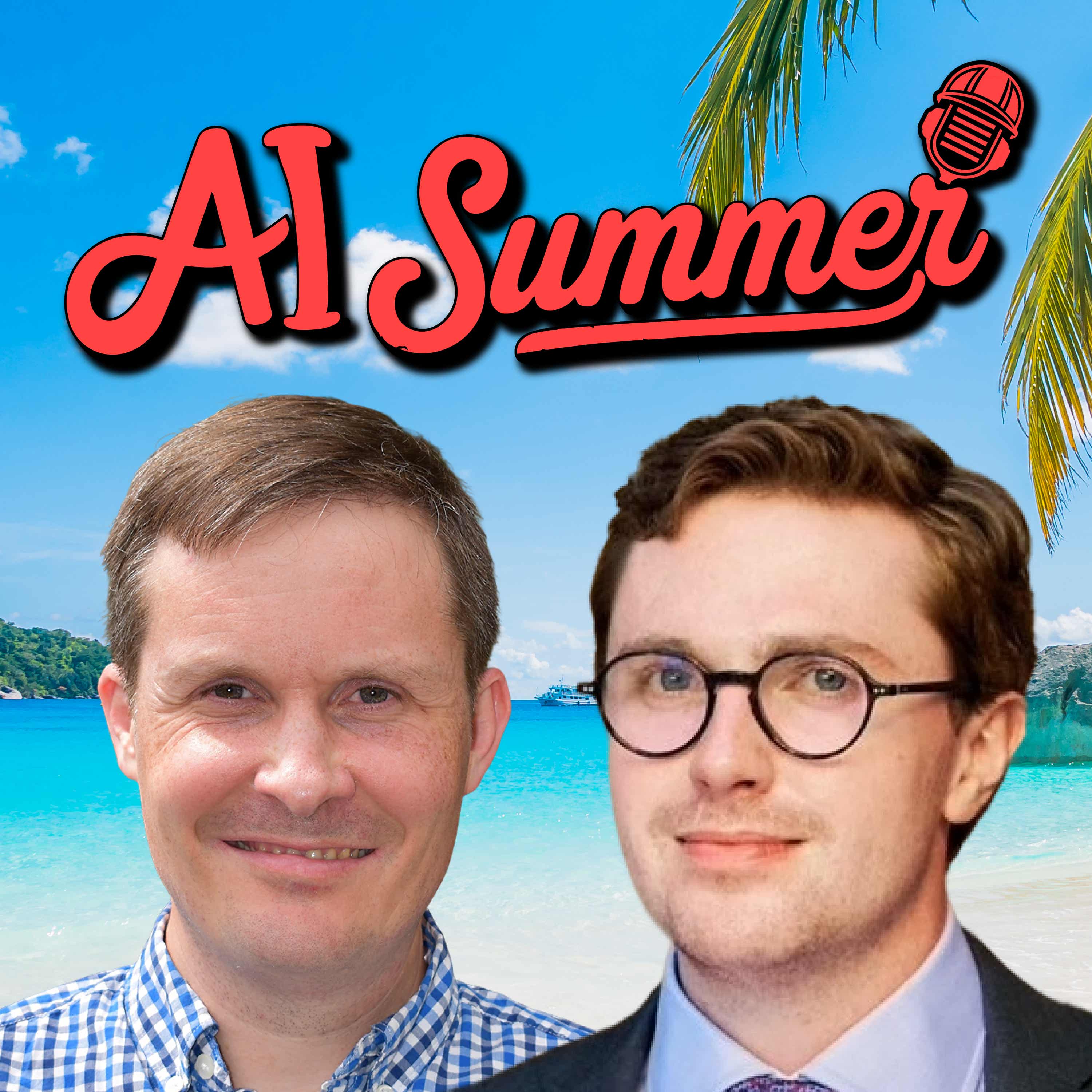
Tim Lee and Dean Ball interview leading experts about the future of AI technology and policy. www.aisummer.org
Podcast Insights
Content Themes
Explores a range of topics within AI, including advancements in autonomous vehicles as discussed with Sophia Tung, AI scaling trends with Nathan Labenz, and AI governance frameworks as covered with Lennart Heim, while focusing on the implications for public policy and societal impacts

Timothy B. Lee interviews leading experts about the future of AI technology and policy.
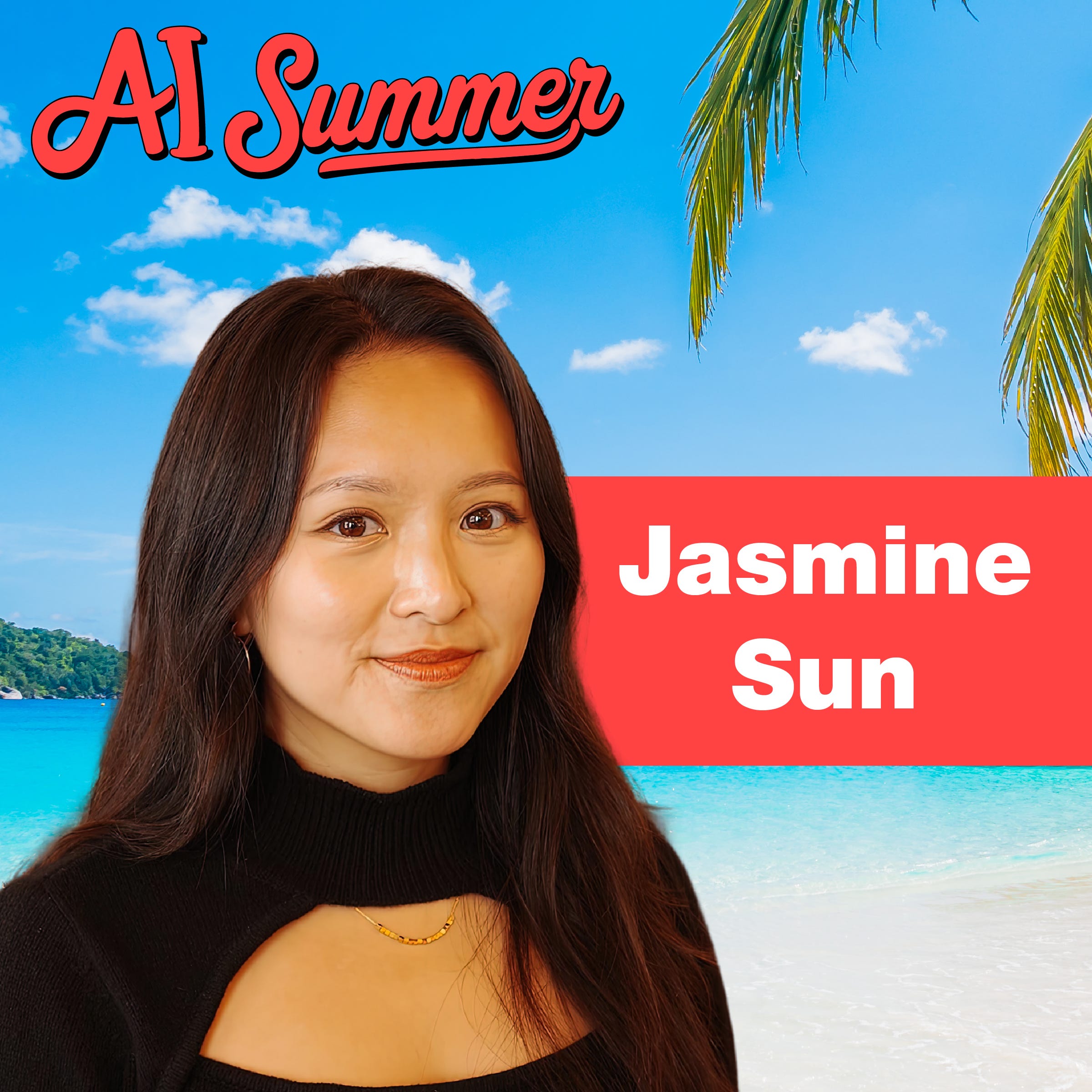
Nothing about data centers changed much this year — except the country’s mood. To find out why, the independent journalist Jasmine Sun traveled to the sites of proposed and completed data centers in Wisconsin and Michigan. The best clue came from an official in Mount Pleasant, Wisconsin. He told Jasmine a Microsoft project had been discussed at sixty public meetings since 2023. But only in the past year did angry residents start showing up.
Jasmine described how the data center fight has become delocalized: rumors move on Facebook faster than any city can answer them. Mayors post careful FAQs on websites nobody reads. Previously indifferent voters suddenly become enraged about data centers after hearing about the issue on TikTok.
What should tech companies do about this? Jasmine said some in the industry are inclined to “just make the bribes bigger” — offer more generous financial terms to towns that agree to host data centers. But Jasmine worries that will backfire: the larger numbers will be interpreted as corruption, not generosity. And underneath everything is the fact that most people she met saw little benefit to AI — and didn’t understand why the technology was valued at a trillion dollars.
This is a public episode. If you would like to discuss this with other subscribers or get access to bonus episodes, visit www.aisummer.org
Disclaimer
This podcast’s information is provided for general reference and was obtained from publicly accessible sources. The Podcast Collaborative neither produces nor verifies the content, accuracy, or suitability of this podcast. Views and opinions belong solely to the podcast creators and guests.
For a complete disclaimer, please see our Full Disclaimer on the archive page. The Podcast Collaborative bears no responsibility for the podcast’s themes, language, or overall content. Listener discretion is advised. Read our Terms of Use and Privacy Policy for more details.