The Giving Garden
The Giving Garden
Podcast Description
Welcome to The Giving Garden Podcast, where we explore how small acts of giving can blossom into lasting change. In each episode, we highlight the power of giving—whether it’s time, kindness, or resources—and how these acts can transform both lives and whole communities.
Join us as we explore the ripple effect of giving and its lasting impact.
Podcast Insights
Content Themes
The podcast centers on the themes of community engagement, food insecurity, and the ripple effects of kindness, with episodes showcasing topics like the impact of food banks, the importance of advocacy, and how small acts of generosity can foster lasting change in communities. Specific episodes include discussions on nourishing hope through giving and exploring personal experiences with acts of kindness.
Welcome to The Giving Garden Podcast, where we explore how small acts of giving can blossom into lasting change. In each episode, we highlight the power of giving—whether it’s time, kindness, or resources—and how these acts can transform both lives and whole communities.
Join us as we explore the ripple effect of giving and its lasting impact.
There is something about October that invites us to come a little closer. As the days grow shorter, the gardens begin to quiet, and the season of harvest gives way to rest, we are reminded that community has seasons too.
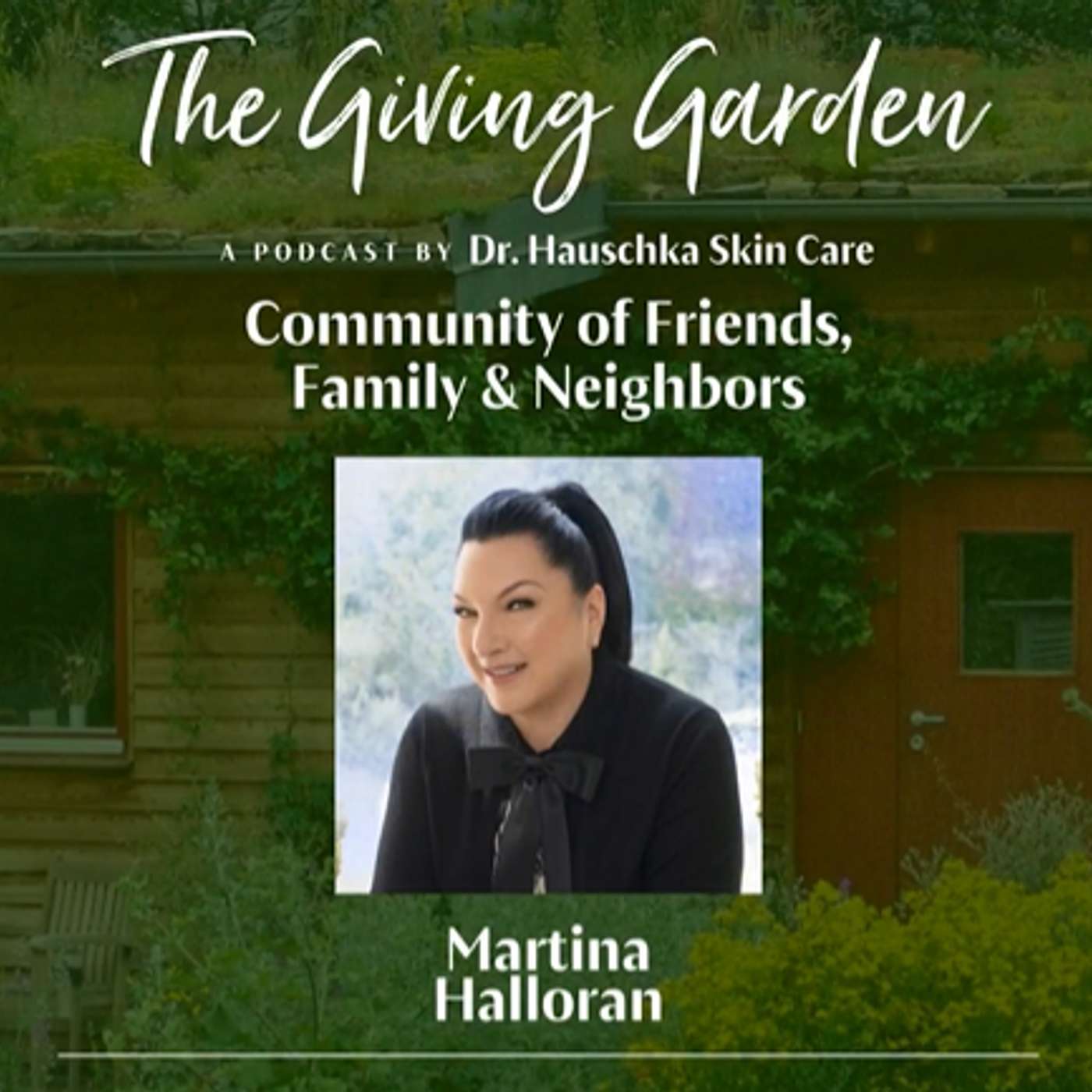
In this episode of The Giving Garden® Podcast, Martina Halloran reflects on the everyday relationships that sustain us, the friends who become family, the relatives who know our stories, and the neighbors whose lives unfold just beyond our front doors.
Drawing from her own experiences, Martina explores how our ways of connecting often shift with the seasons. Summer brings spontaneity, gatherings, travel, and long days spent outside. Fall invites a different kind of connection, one rooted in intention, nourishment, conversation, and simply making time to sit together.
Martina shares personal reflections on growing up in a family where food was a language of care, learning that generosity was never defined by how much you had, but by your willingness to share what was available. She also reflects on lessons from recent Giving Garden guests, including the importance of showing up consistently, wrapping support around one another, and creating spaces where people feel seen, heard, and valued.
From calling the friend you have been meaning to check on, to bringing a meal to a neighbor, inviting someone to your table, or simply learning the name of the person next door, this episode is a reminder that meaningful community is often built through the smallest acts of attention.
Martina also explores another important part of community, allowing ourselves to receive care. Like the garden, we cannot give endlessly. There are seasons for growth, seasons for abundance, and seasons for rest. Caring for one another means making room for all of them.
As we enter this season of harvest, Martina invites us to consider a different kind of abundance. Not simply what we have gathered for ourselves, but what we have enough of to share.
Because perhaps the greatest harvest is found around the tables we create, in the relationships we tend, and in the simple act of making room for one more person.
Until next time, take care of yourself, take care of one another, and keep making room at the table.To learn more about The Giving Garden®, visit The Giving Garden | Dr. Hauschka Skin Care | Dr. Hauschka
Disclaimer
This podcast’s information is provided for general reference and was obtained from publicly accessible sources. The Podcast Collaborative neither produces nor verifies the content, accuracy, or suitability of this podcast. Views and opinions belong solely to the podcast creators and guests.
For a complete disclaimer, please see our Full Disclaimer on the archive page. The Podcast Collaborative bears no responsibility for the podcast’s themes, language, or overall content. Listener discretion is advised. Read our Terms of Use and Privacy Policy for more details.