The Hanley Effect

The Hanley Effect
Podcast Description
Welcome to the Hanley Effect, a podcast by Hanley Foundation designed to educate, change minds, and save lives. Our goal is to inspire you, showcase our innovations, and change the conversation about addiction and mental health. Join us as we unravel stories of resilience, recovery, and hope.
Podcast Insights
Content Themes
This podcast focuses on themes of addiction recovery, mental health, and trauma-informed care. Episodes explore topics such as the complexities of treating older adults, the intersection of spirituality and recovery, and innovative programs like Casa Flores, which supports mothers in recovery. Specific episodes highlight personal recovery journeys, community support mechanisms, and the critical role of family involvement in healing.
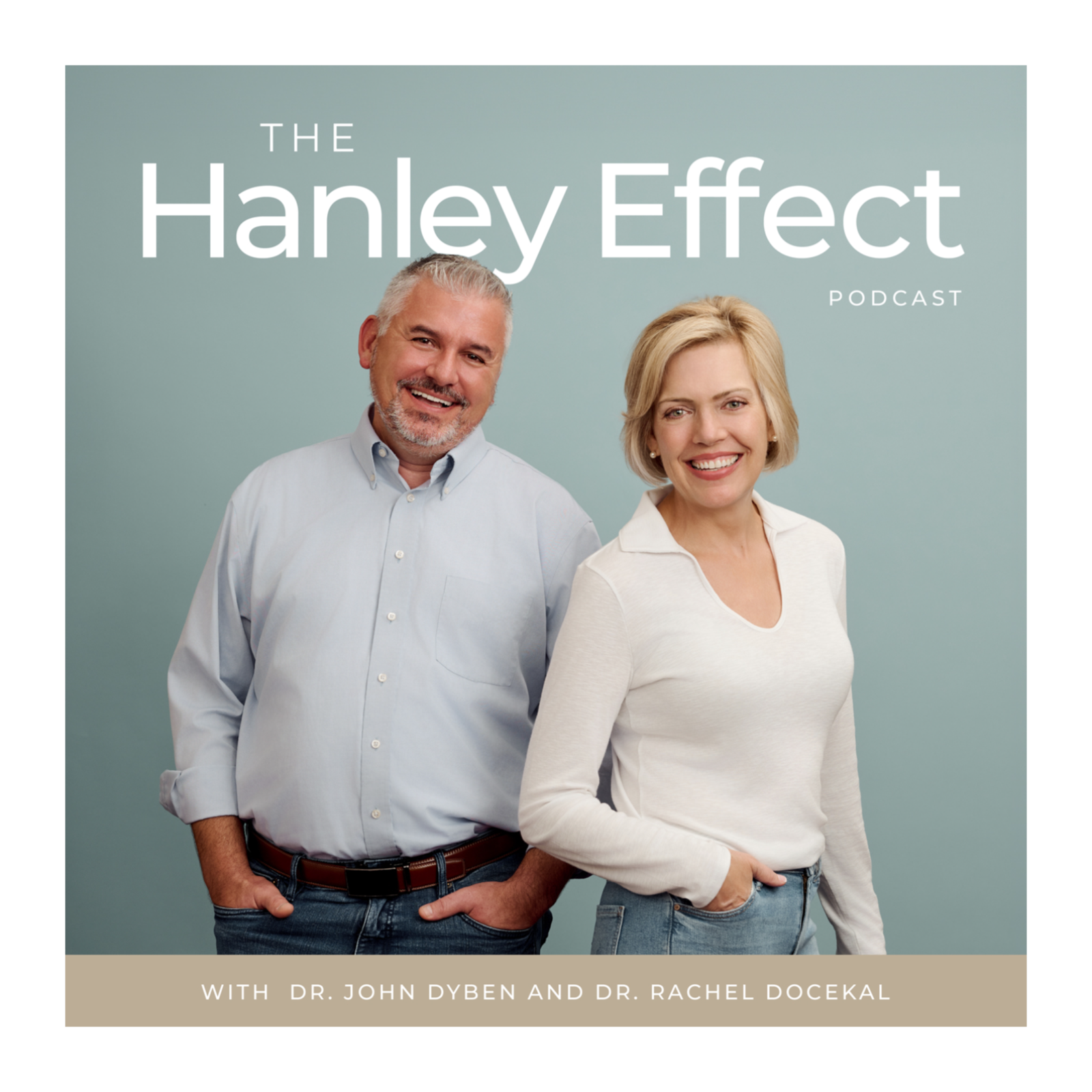
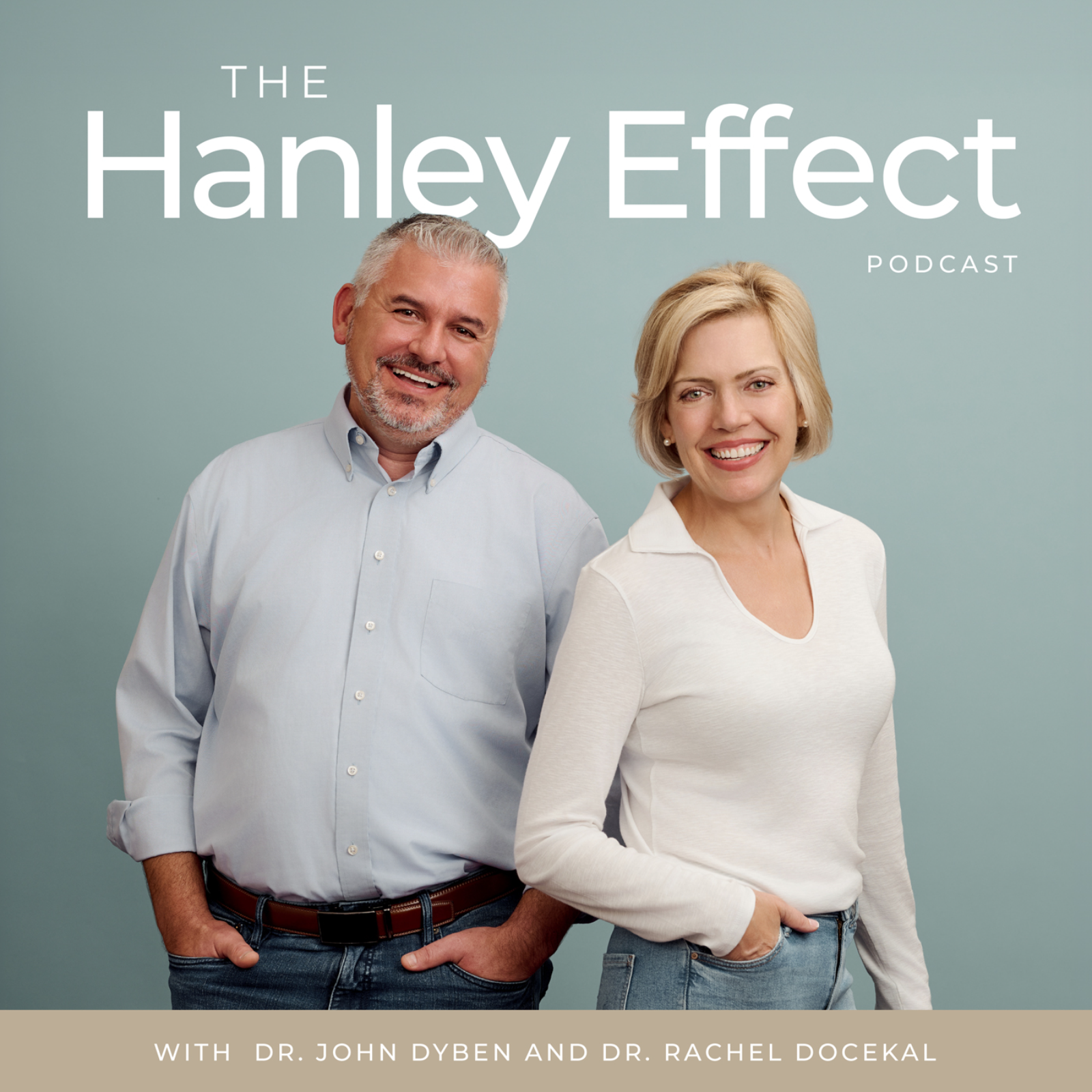
The Hanley Effect is a weekly addiction recovery and mental health podcast hosted by Dr. John Dyben, Chief Clinical Officer at Hanley Center, and Dr. Rachel Docekal, CEO of the Hanley Foundation.
This trauma-informed podcast explores substance use disorder (SUD), addiction treatment, neuroscience, co-occurring mental health disorders, overdose prevention, adolescent mental health, and long-term recovery through evidence-based conversations with leading experts, clinicians, policymakers, and individuals with lived experience.
Featured guests include leading neuroscientists, healthcare executives, policymakers, law enforcement leaders, and nationally recognized advocates shaping the future of addiction treatment and prevention.
Produced by the Hanley Foundation, a nonprofit leader in prevention, education, treatment, and advocacy, The Hanley Effect delivers trusted insight, practical tools, and real-world perspectives for behavioral health professionals, educators, first responders, families, and people in recovery.
Grounded in science and compassion, this podcast helps listeners better understand addiction, reduce stigma, and build stronger, healthier communities.
Content Note: This episode includes discussion of suicide and suicidal ideation. If you or someone you know is struggling or in crisis, call or text 988 in the U.S. to reach the 988 Suicide & Crisis Lifeline. Support is available 24/7.
For Suicide Prevention Month, we’re revisiting an important conversation from The Hanley Effect about something that can be difficult to talk about, but too important to avoid: suicide.
Can asking someone directly if they are thinking about suicide actually help save a life?
In this episode, Dr. Rachel Docekal and Dr. John Dyben are joined by Frank King, The Mental Health Comedian, for a candid conversation about suicide prevention, mental health, stigma, and the power of simply being willing to ask the question.
Frank spent decades in comedy, including 20 years writing for Jay Leno and The Tonight Show, before turning his personal experience into a mission to help others. Living with major depressive disorder and chronic suicidal ideation, Frank uses humor and storytelling to make conversations about suicide more approachable and to help people recognize when someone may need support.
Together, Frank, Rachel, and John discuss one of the most persistent misconceptions about suicide prevention: the fear that asking someone directly about suicide might “put the idea in their head.” Instead, opening the conversation can give someone permission to talk about thoughts they may have been carrying alone.
In This Episode, You’ll Hear:
- Why talking openly about suicide can help reduce stigma, shame, and isolation
- What chronic suicidal ideation can look like and why having language for the experience matters
- Why asking directly about suicide does not cause someone to become suicidal
- How humor can create space for difficult conversations about mental health
- Frank’s personal experience with a suicidal crisis and what interrupted his plan
- A powerful workplace story that demonstrates why suicide prevention belongs in every community
- Why a sincere “Are you OK?” can be an important first step
- How peer support and lived experience can help people feel less alone
- Why listening without judgment can be just as important as knowing what to say
- How each of us can become more comfortable starting conversations about suicide and mental health
About Frank King
Frank King is a comedian, TEDx speaker, and suicide prevention speaker who has spent decades combining humor, storytelling, and education. He began performing stand-up comedy in 1985 and went on to write for Jay Leno and The Tonight Show for 20 years.
Today, drawing from his own lived experience with depression and chronic suicidal ideation, Frank speaks nationally about suicide prevention and mental health. His work helps individuals and organizations become more comfortable recognizing warning signs, starting conversations, and connecting people with support.
Learn more about Frank King:mentalhealthcomedian.com
How to Connect With Hanley
Learn more about Hanley Center’s mental health and substance use treatment programs at HanleyCenter.org.
Admissions & Information: 844-502-4673
The Hanley Effect brings together behavioral health experts, advocates, people with lived experience, and community leaders for conversations about mental health, substance use, recovery, prevention, and hope.
Disclaimer
This podcast’s information is provided for general reference and was obtained from publicly accessible sources. The Podcast Collaborative neither produces nor verifies the content, accuracy, or suitability of this podcast. Views and opinions belong solely to the podcast creators and guests.
For a complete disclaimer, please see our Full Disclaimer on the archive page. The Podcast Collaborative bears no responsibility for the podcast’s themes, language, or overall content. Listener discretion is advised. Read our Terms of Use and Privacy Policy for more details.