Beachway Therapy Center Podcast
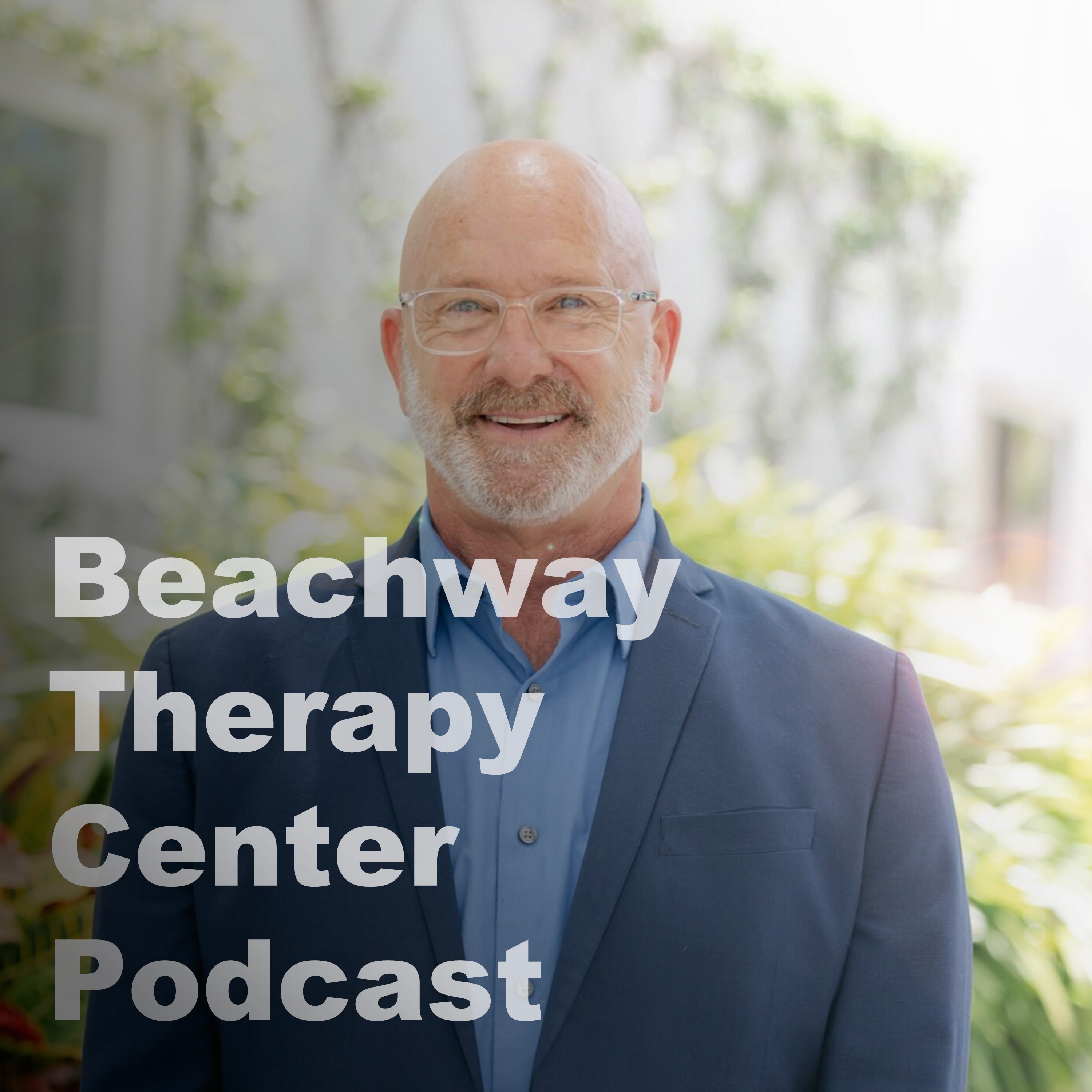
Beachway Therapy Center Podcast
Podcast Description
Welcome to the Beachway Therapy Center Podcast, a podcast brought to you by Beachway Therapy Center, a leader in trauma and dual diagnosis care. In each episode, our host engages in candid and compassionate conversations with individuals from all walks of life—mental health professionals, trauma survivors, thought leaders, and advocates. Together, they explore the many dimensions of trauma and recovery, shedding light on the profound impact it has on mental health and the pathways to healing. Whether you're seeking inspiration, education, or a deeper understanding of how trauma shapes our lives and how we can grow beyond it, this podcast offers a safe and welcoming space for exploration. With a focus on real stories and expert insights, The Beachway Therapy Center Podcast is here to empower, educate, and inspire hope. Join us as we break the stigma, share the journey, and discover the resilience within us all. Listen, learn, and heal—together.
Podcast Insights
Content Themes
The podcast primarily focuses on mental health, trauma recovery, and addiction support, with episodes touching on individual stories of recovery, the role of mindfulness in healing, advocacy for mental health issues, and insights into the addiction treatment industry, like the conversation with military veteran Craig discussing his recovery journey and Paritosh Nath on mindfulness techniques.
Hope. Healing. Recovery. The Recovery Centered Podcast explores the journey of addiction and mental health recovery through real conversations with experts, advocates, and individuals with lived experience.
Hosted by Tim Roberto, and sponsored by Beachway Therapy Center, this series offers insights, strategies, and support for individuals and families navigating the challenges of substance use, trauma, and mental health disorders. From expert interviews with therapists, medical professionals, and legal advocates to personal stories of resilience, we dive deep into the issues that matter most.
Whether you’re in recovery, supporting a loved one, or seeking knowledge on addiction treatment, this podcast is your trusted resource for education, empowerment, and inspiration. Tune in and take the next step toward healing.
email: [email protected]
https://www.instagram.com/beachwaytherapycenter/
In this episode of Recovery Centered, Tim Roberto sits down with Dr. Ali Cunningham Abbott, PhD, LMHC, QS, a clinician, educator, and advocate who has spent nearly two decades working with the autistic community. Dr. Cunningham Abbott serves as Program Director and Associate Professor in Lynn University’s Clinical Mental Health Counseling program and as Senior Clinical Advisor for the Nest Program at Family First Adolescent Services, which provides residential care for neurodivergent adolescents.
Their conversation explores how our understanding of autism has evolved—from older ideas about “high” and “low” functioning to a more individualized focus on support needs, masking, communication differences, and neurodiversity. Dr. Cunningham Abbott discusses why autistic people may communicate more naturally with other neurodivergent people, how structure and routine can support functioning, and why behaviors such as stimming can play an important role in self-regulation.
The discussion also examines the intersection of autism, mental health, and substance use. Drawing on her clinical experience, Dr. Cunningham Abbott explains how substances can sometimes become a social tool for autistic people navigating relationships and belonging—and why this population may face particular vulnerabilities in social situations. She and Tim return throughout the conversation to one of the strongest protective factors in recovery and mental health: meaningful human connection.
Dr. Cunningham Abbott also shares the path that took her from graduate training and early work at Florida Atlantic University’s Center for Autism & Related Disabilities to private practice, higher education, clinical consultation, and advocacy. The episode offers a broader look at what neurodivergent-informed care can mean for clinicians, treatment programs, families, and the people they serve.
Disclaimer
This podcast’s information is provided for general reference and was obtained from publicly accessible sources. The Podcast Collaborative neither produces nor verifies the content, accuracy, or suitability of this podcast. Views and opinions belong solely to the podcast creators and guests.
For a complete disclaimer, please see our Full Disclaimer on the archive page. The Podcast Collaborative bears no responsibility for the podcast’s themes, language, or overall content. Listener discretion is advised. Read our Terms of Use and Privacy Policy for more details.