United Healthcare Murder: The Luigi Mangione Story
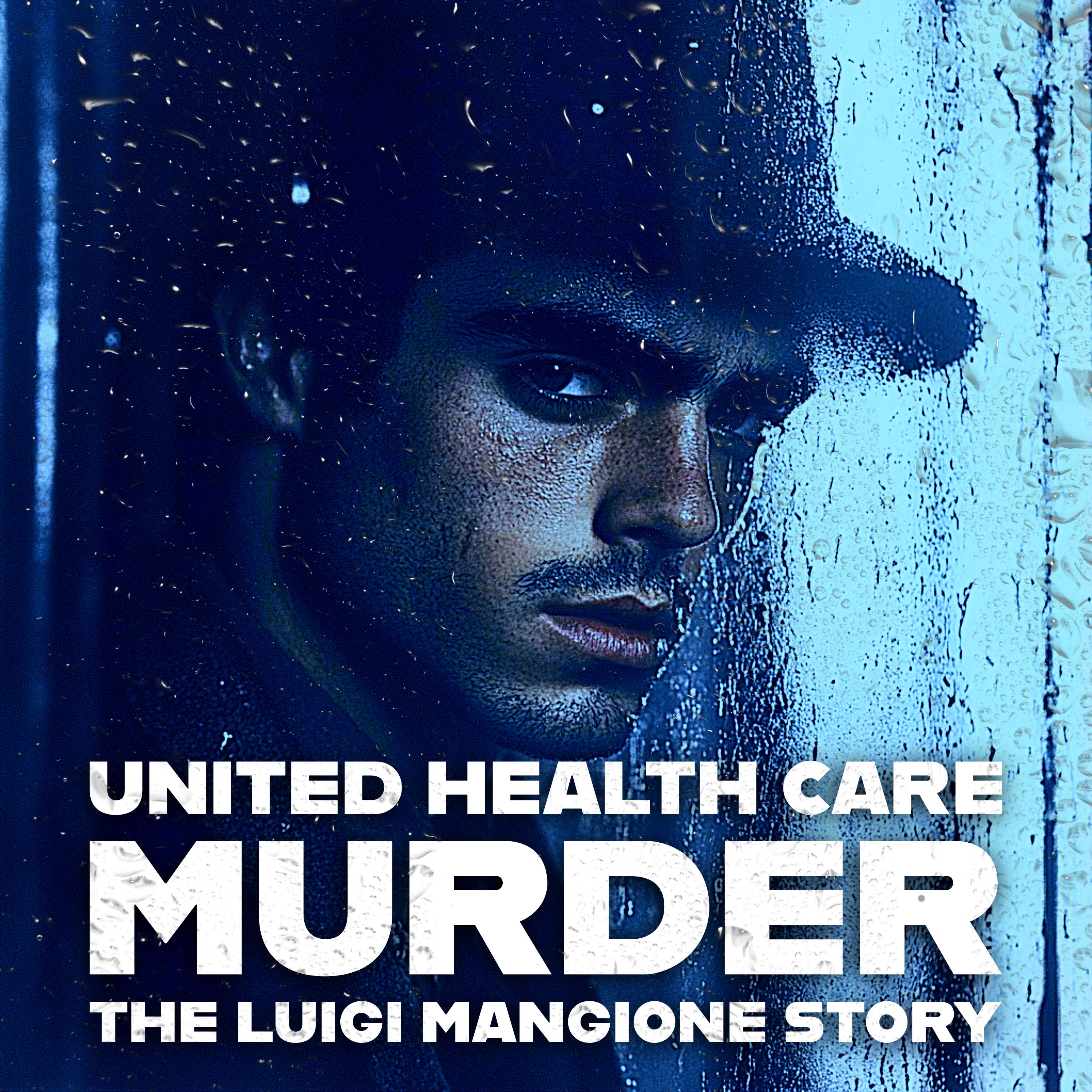
United Healthcare Murder: The Luigi Mangione Story
Podcast Description
On December 4, 2024, UnitedHealthcare CEO Brian Thompson was fatally shot outside the New York Hilton Midtown, where UnitedHealth Group was hosting an investor event.
The suspect, 26-year-old Luigi Mangione, was arrested on December 9, 2024, in Altoona, Pennsylvania, and charged with Thompson's murder.
In UnitedHealthcare CEO Murder: The Luigi Mangione Case, we delve into the intricate details of this high-profile crime. Through comprehensive research and exclusive interviews, we explore the backgrounds of both Thompson and Mangione, seeking to understand the motivations and circumstances that led to this tragic event.
We'll examine Mangione's alleged manifesto criticizing the U.S. healthcare system, the evidence presented by law enforcement, and the ensuing legal battles. Additionally, we shed light on Brian Thompson's life, his role at UnitedHealthcare, and the impact of his untimely death on the industry and beyond.
Join us as we navigate the complexities of this case, analyzing the intersection of personal grievance, corporate responsibility, and the broader implications for the American healthcare system.
Uncover the truth behind the headlines in the Luigi Mangione case.
Podcast Insights
Content Themes
The podcast focuses on high-profile criminal cases, societal implications of crime, and the legal system's intricacies. Episodes have delved into topics such as the motivations behind violent actions, mental health issues, and public perception surrounding criminals, exemplified by cases like the murder of UnitedHealthcare CEO Brian Thompson and the alleged shooter Luigi Mangione, who left behind a manifesto criticizing healthcare practices.
The suspect, 26-year-old Luigi Mangione, was arrested on December 9, 2024, in Altoona, Pennsylvania, and charged with Thompson’s murder.
In UnitedHealthcare CEO Murder: The Luigi Mangione Case, we delve into the intricate details of this high-profile crime. Through comprehensive research and exclusive interviews, we explore the backgrounds of both Thompson and Mangione, seeking to understand the motivations and circumstances that led to this tragic event.
We’ll examine Mangione’s alleged manifesto criticizing the U.S. healthcare system, the evidence presented by law enforcement, and the ensuing legal battles. Additionally, we shed light on Brian Thompson’s life, his role at UnitedHealthcare, and the impact of his untimely death on the industry and beyond.
Join us as we navigate the complexities of this case, analyzing the intersection of personal grievance, corporate responsibility, and the broader implications for the American healthcare system.
Uncover the truth behind the headlines in the Luigi Mangione case.
Every fact needed to convict Luigi Mangione of murder is already on the record — in his own words. He told a federal judge he stalked UnitedHealthcare CEO Brian Thompson to an investor conference, posed as an investor overseeing tens of billions of dollars to pin down exactly where Thompson would be, printed the gun he used on a 3D printer, and traveled to New York planning to kill him. What he pleaded guilty to was stalking. No deal was negotiated to get there — he simply admitted the underlying facts and the charge on the table was the lesser one. He offered no remorse in court. He never referred to Thompson as a husband or father, only as a target tied to the health insurance system. Paulette Thompson sat in the front row and cried while he spoke without emotion. Within hours, his lawyers filed to dismiss the entirely separate state murder case on double jeopardy grounds, with jury selection there already set for September 8. Retired FBI Special Agent Jennifer Coffindaffer joins Tony Brueski to trace the legal strategy from the terrorism charge Mangione already beat, through the federal death penalty he already beat, to what could be a third win in a row. Federal sentencing is December 18. Guidelines suggest twenty-four to thirty years; prosecutors have told cameras they’re seeking life. Mangione is twenty-eight years old. This episode is the full picture — the confession, the plea, and the fight over whether he ever faces a murder charge at all.
Join Our SubStack For AD-FREE ADVANCE EPISODES & EXTRAS!: https://hiddenkillers.substack.com/
Want to comment and watch this podcast as a video? Check out our YouTube Channel. https://www.youtube.com/channel/UC8-vxmbhTxxG10sO1izODJg?sub_confirmation=1
Instagram https://www.instagram.com/hiddenkillerspod/
Facebook https://www.facebook.com/hiddenkillerspod/
Tik-Tok https://www.tiktok.com/@hiddenkillerspod
X Twitter https://x.com/TrueCrimePod
This publication contains commentary and opinion based on publicly available information. All individuals are presumed innocent until proven guilty in a court of law. Nothing published here should be taken as a statement of fact, health or legal advice.
#LuigiMangione #BrianThompson #MangioneTrial #JenniferCoffindaffer #GuiltyPlea #DoubleJeopardy #TrueCrime #UnitedHealthcare #FederalCourt #CriminalJustice
Disclaimer
This podcast’s information is provided for general reference and was obtained from publicly accessible sources. The Podcast Collaborative neither produces nor verifies the content, accuracy, or suitability of this podcast. Views and opinions belong solely to the podcast creators and guests.
For a complete disclaimer, please see our Full Disclaimer on the archive page. The Podcast Collaborative bears no responsibility for the podcast’s themes, language, or overall content. Listener discretion is advised. Read our Terms of Use and Privacy Policy for more details.