Entrepreneurs, Executives, & Eccentrics
Entrepreneurs, Executives, & Eccentrics
Podcast Description
Entrepreneurs, Executives, & Eccentrics" is a new podcast exploring the world of business through in-depth interviews with a diverse range of guests, hosted by Scott Turman. From visionary entrepreneurs who have turned dreams into successful ventures, to accomplished executives shaping industries, and eccentric personalities with unique approaches to business and life, Scott navigates through their stories with a blend of curiosity and expertise. Gain valuable insights, learn from the experiences of trailblazers, and be inspired by the resilience, creativity, and unconventional wisdom of the individuals who have left an indelible mark on the business landscape. "Entrepreneurs, Executives, & Eccentrics" will grow into your go-to source for engaging narratives that celebrate the multifaceted world of leadership and innovation.
Podcast Insights
Content Themes
The podcast focuses on diverse themes including entrepreneurship, innovation, and leadership, with specific episodes discussing topics like scaling food businesses, sustainable agriculture, and the challenges of labor relations. Examples include Jeff Faine's transition from the NFL to entrepreneurship and Trent Carter's telehealth addiction treatment services.
Entrepreneurs, Executives, & Eccentrics” is a new podcast exploring the world of business through in-depth interviews with a diverse range of guests, hosted by Scott Turman. From visionary entrepreneurs who have turned dreams into successful ventures, to accomplished executives shaping industries, and eccentric personalities with unique approaches to business and life, Scott navigates through their stories with a blend of curiosity and expertise. Gain valuable insights, learn from the experiences of trailblazers, and be inspired by the resilience, creativity, and unconventional wisdom of the individuals who have left an indelible mark on the business landscape. “Entrepreneurs, Executives, & Eccentrics” will grow into your go-to source for engaging narratives that celebrate the multifaceted world of leadership and innovation.
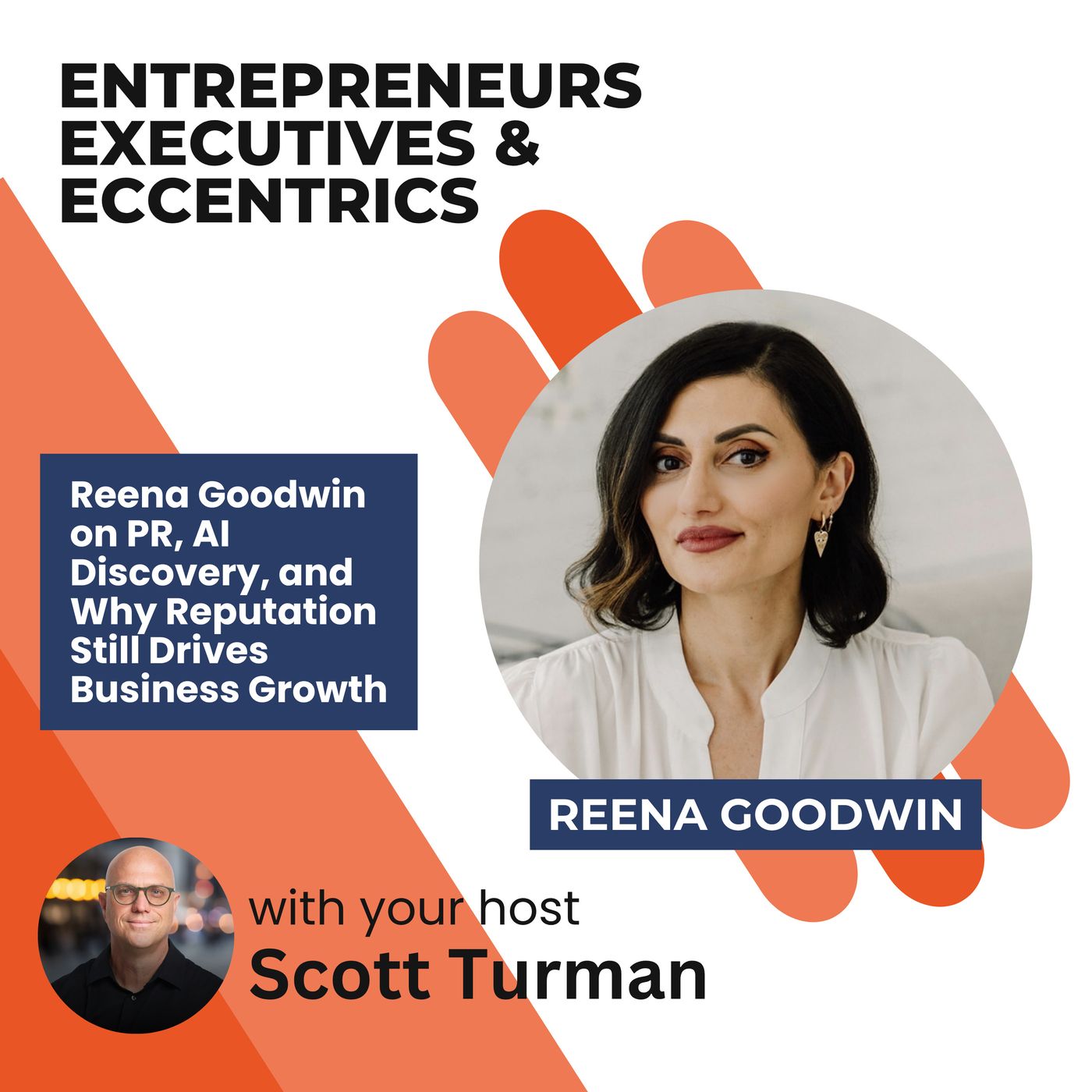
Reena Goodwin, founder and CEO of FACTEUR PR, shares how she built a specialized communications agency focused on women’s health, wellness, and aesthetics. She explains why strong positioning can help businesses stand out, attract better-fit clients, and build lasting authority in their market. Reena also discusses how public relations has changed since her early career at Columbia Records, including the rise of podcasts, Substack, influencers, and independent media. The conversation explores why relationships remain central to PR, how business owners can benefit from narrowing their focus, and why media coverage, thought leadership, reviews, and other forms of earned authority are becoming more important as consumers use AI tools to discover businesses, products, and services.
Takeaways
- Strong positioning helps a business stand apart from competitors and makes its ideal customer easier to identify.
- FACTEUR PR gradually focused its business on health, wellness, beauty, and aesthetics after seeing growing demand in those markets.
- Specialization makes it easier for agencies to build deep relationships with journalists, influencers, and industry thought leaders.
- Business owners sometimes need to turn down opportunities that do not support their long-term positioning.
- Word of mouth and strong client results remain powerful drivers of agency growth.
- PR has expanded beyond traditional magazines and newspapers to include podcasts, newsletters, Substack publications, influencers, and other independent media.
- Modern PR requires businesses to think beyond one major media placement and build authority across several channels.
- Remote work has changed how agencies hire talent and build professional relationships across geographic boundaries.
- Reena recommends that entrepreneurs identify what makes their business distinct and build their marketing around that position.
- Media coverage, blogs, thought leadership, reviews, podcasts, and other signals of authority can help businesses appear in AI-driven discovery and recommendation systems.
Today’s guest, Reena Goodwin, can be found at:Website: https://www.facteurpr.com/LinkedIn: https://www.linkedin.com/in/reena-goodwin-6919411/
Your host, Scott Turman, can be found online at:Website: https://scottturman.com/, https://brightray.com/LinkedIn: https://www.linkedin.com/in/scottturman/IMDb: https://www.imdb.com/name/nm14602682/
KeywordsPublic Relations, Entrepreneurship, Business Positioning, Niche Marketing, Women’s Health, Reputation Management, Thought Leadership, Media Relations, Brand Authority, Business Growth, Marketing Strategy, AI Discovery, Artificial Intelligence, SEO, Earned Media
Disclaimer
This podcast’s information is provided for general reference and was obtained from publicly accessible sources. The Podcast Collaborative neither produces nor verifies the content, accuracy, or suitability of this podcast. Views and opinions belong solely to the podcast creators and guests.
For a complete disclaimer, please see our Full Disclaimer on the archive page. The Podcast Collaborative bears no responsibility for the podcast’s themes, language, or overall content. Listener discretion is advised. Read our Terms of Use and Privacy Policy for more details.