Naked Nuclear

Naked Nuclear
Podcast Description
Ever wondered how nuclear energy works or what advanced nuclear technology really means? Naked Nuclear breaks down complex topics like nuclear reactors, fuel types, and emerging technologies into simple, accessible conversations. Whether you're a curious beginner or an energy enthusiast, we make the science behind nuclear power easy to understand so you can launch your career in the clean energy future. Tune in to strip down the fascinating world of nuclear energy—one atom at a time.
Podcast Insights
Content Themes
The podcast covers a range of themes including the science of nuclear reactors, the influence of indigenous perspectives on nuclear policy, and historical spotlights on influential figures, with episodes focused on topics such as the ethics of nuclear energy, the technical aspects of in-situ leaching, and the contributions of pioneers like Dr. Shirley Ann Jackson.
Ever wondered how nuclear energy works or what advanced nuclear technology really means? Naked Nuclear breaks down complex topics like nuclear reactors, fuel types, and emerging technologies into simple, accessible conversations. Whether you’re a curious beginner or an energy enthusiast, we make the science behind nuclear power easy to understand so you can launch your career in the clean energy future. Tune in to strip down the fascinating world of nuclear energy—one atom at a time.
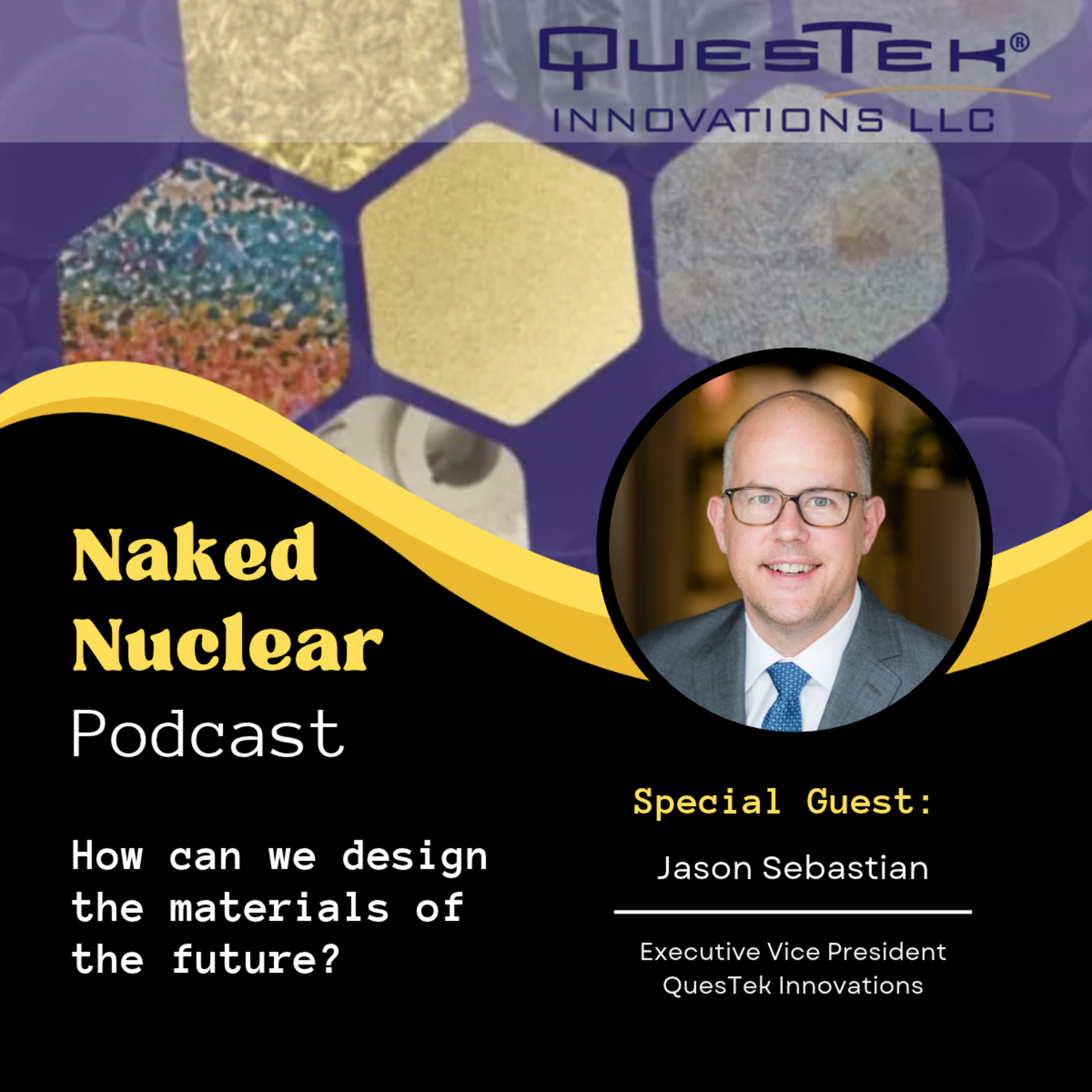
ABOUT THIS EPISODEDanielle Allen sits down with Jason Sebastian of QuesTek Innovations, a computational materials science company that spun out of Northwestern University, to get at one of the least visible questions in advanced nuclear: how do we know these materials can survive? They cover molten salt that eats metal, welds that become the weak link, creep tests that run about 10 years, and a rocket nozzle alloy that, as Jason tells it, was probably the 103rd try in a NASA test sequence. Jason's case is simple: keep testing, but test smart, and use models to know where to look.WHAT YOU'LL LEARN– What QuesTek actually computes: processing sets a material's structure, and structure sets its properties- Why welding changes the metal around it, why weld speed and cooling rate matter, and how a weld becomes the weak link- How molten salt strips the protective oxide off metal, over and over, and why molten salt people seek out alumina-forming steels- Why a long creep test can run 100,000 hours (about 10 years), and how a model lets a design move ahead before a few test points confirm it- The counterexample: nudge the temperature past a phase boundary and years of existing data stop applying- Jason's advice to students: build the communication skills, not just the math
FURTHER RESOURCES
Learn more about their company at:
Apollo Era C-103 Niobium: https://ntrs.nasa.gov/citations/20205003679
Apply for your career in nuclear:
Disclaimer
This podcast’s information is provided for general reference and was obtained from publicly accessible sources. The Podcast Collaborative neither produces nor verifies the content, accuracy, or suitability of this podcast. Views and opinions belong solely to the podcast creators and guests.
For a complete disclaimer, please see our Full Disclaimer on the archive page. The Podcast Collaborative bears no responsibility for the podcast’s themes, language, or overall content. Listener discretion is advised. Read our Terms of Use and Privacy Policy for more details.