Future Fluent
Future Fluent
Podcast Description
What changes for us, as writers, as creators, as thinkers – as humans – when there are more AI bots in the world than people? Telling stories about our lives and the world around us is one of the most intimate and powerful practices that we, as humans, have. And even though artificial intelligence has existed in some form for decades, only with the emergence of chatbots has AI become a storytelling machine. So what does AI mean for human literacy? What changes when algorithmic intelligence tells stories about ourselves and our world? Should we let it? And really, who is telling the story–and why? Join Dr. Jeremy Roschelle, the lead learning scientist at Digital Promise, and Betsy Corcoran, a journalist and founder of EdSurge, as they explore with writers, researchers, teachers and even policy makers the potential – both positive and negative – for AI, for literacy, and for us. Please join the conversation here on our LinkedIn page. Hosted on Acast. See acast.com/privacy for more information.
Podcast Insights
Content Themes
The podcast delves into themes of AI in storytelling, literacy, and the evolving role of writers and creators, with episodes exploring the influence of AI on human creativity, the ethical implications of algorithmic narratives, and the thoughts of experts like Mike Sharples on the future of AI-assisted writing.

What changes for us, as writers, as creators, as thinkers – as humans – when there are more AI bots in the world than people?
Telling stories about our lives and the world around us is one of the most intimate and powerful practices that we, as humans, have. And even though artificial intelligence has existed in some form for decades, only with the emergence of chatbots has AI become a storytelling machine.
So what does AI mean for human literacy? What changes when algorithmic intelligence tells stories about ourselves and our world? Should we let it? And really, who is telling the story–and why?
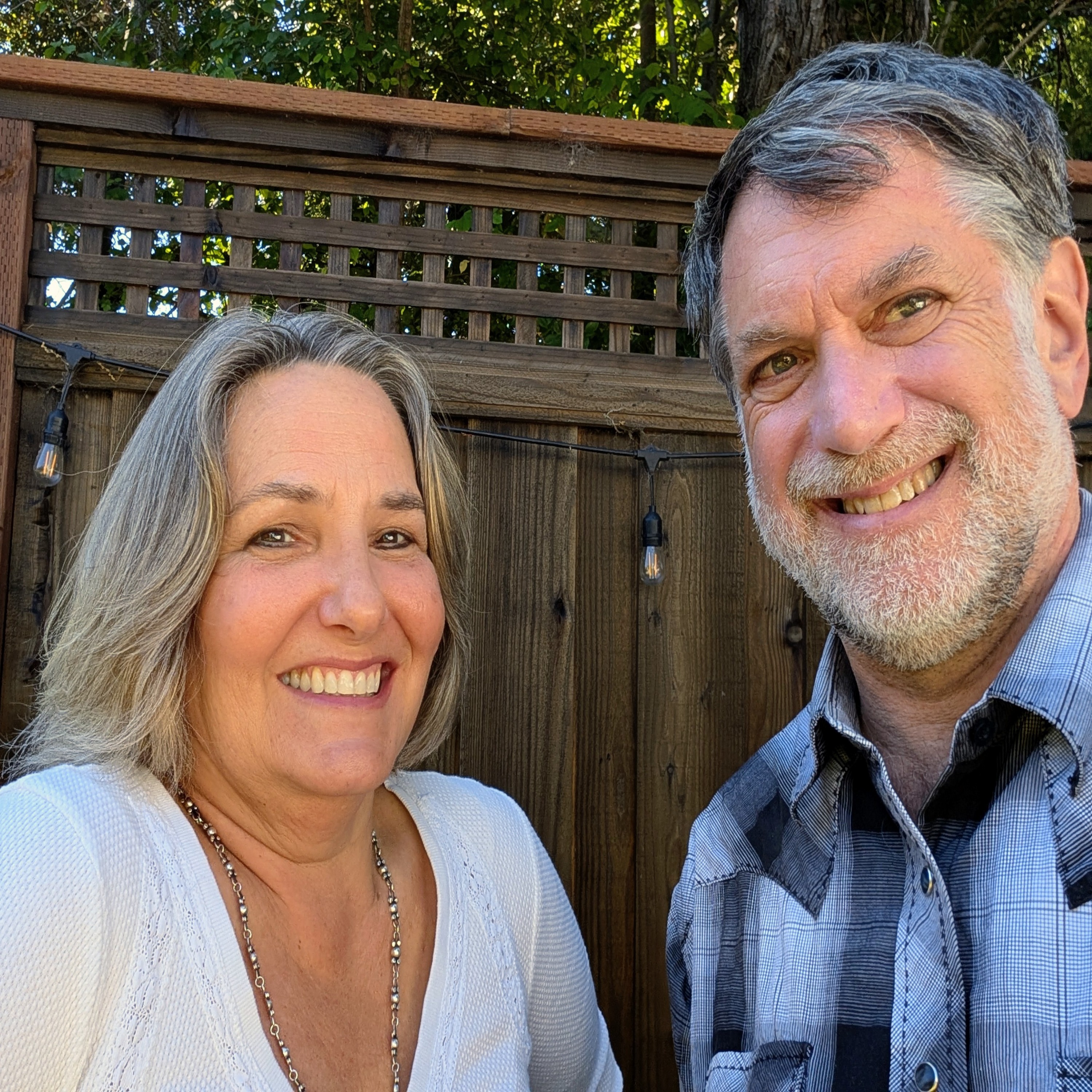
Join Dr. Jeremy Roschelle, the lead learning scientist at Digital Promise, and Betsy Corcoran, a journalist and founder of EdSurge, as they explore with writers, researchers, teachers and even policy makers the potential – both positive and negative – for AI, for literacy, and for us.
Please join the conversation here on our LinkedIn page.
Hosted on Acast. See acast.com/privacy for more information.
What do wizards have to do with Doritos or trout? In this wrap up episode to Season 2, Jeremy & Betsy talk about the metaphors and insights their guests shared this year to make sense of AI. Guests included researchers, writers, educators, builders & influencers: Ethan Mollick, Pat Yongpradit, Inge Molenaar, Erin Mote, Justin Reich, Melina Uncapher, Elvira Salazar, Margaret Honey, Mike Taubman and Babak Mostaghimi. And the theme running through it all: Sure, the technology is changing rapidly. But even more important: Our sense of when to use AI– and when not to use it–is morphing, too. Finally, Betsy & Jeremy hint at what they will explore when they kick off Season 3 this autumn. Got thoughts? Suggestions? Questions? Drop a note on LinkedIn.
Hosted on Acast. See acast.com/privacy for more information.
Disclaimer
This podcast’s information is provided for general reference and was obtained from publicly accessible sources. The Podcast Collaborative neither produces nor verifies the content, accuracy, or suitability of this podcast. Views and opinions belong solely to the podcast creators and guests.
For a complete disclaimer, please see our Full Disclaimer on the archive page. The Podcast Collaborative bears no responsibility for the podcast’s themes, language, or overall content. Listener discretion is advised. Read our Terms of Use and Privacy Policy for more details.