Derms on Drugs

Derms on Drugs
Podcast Description
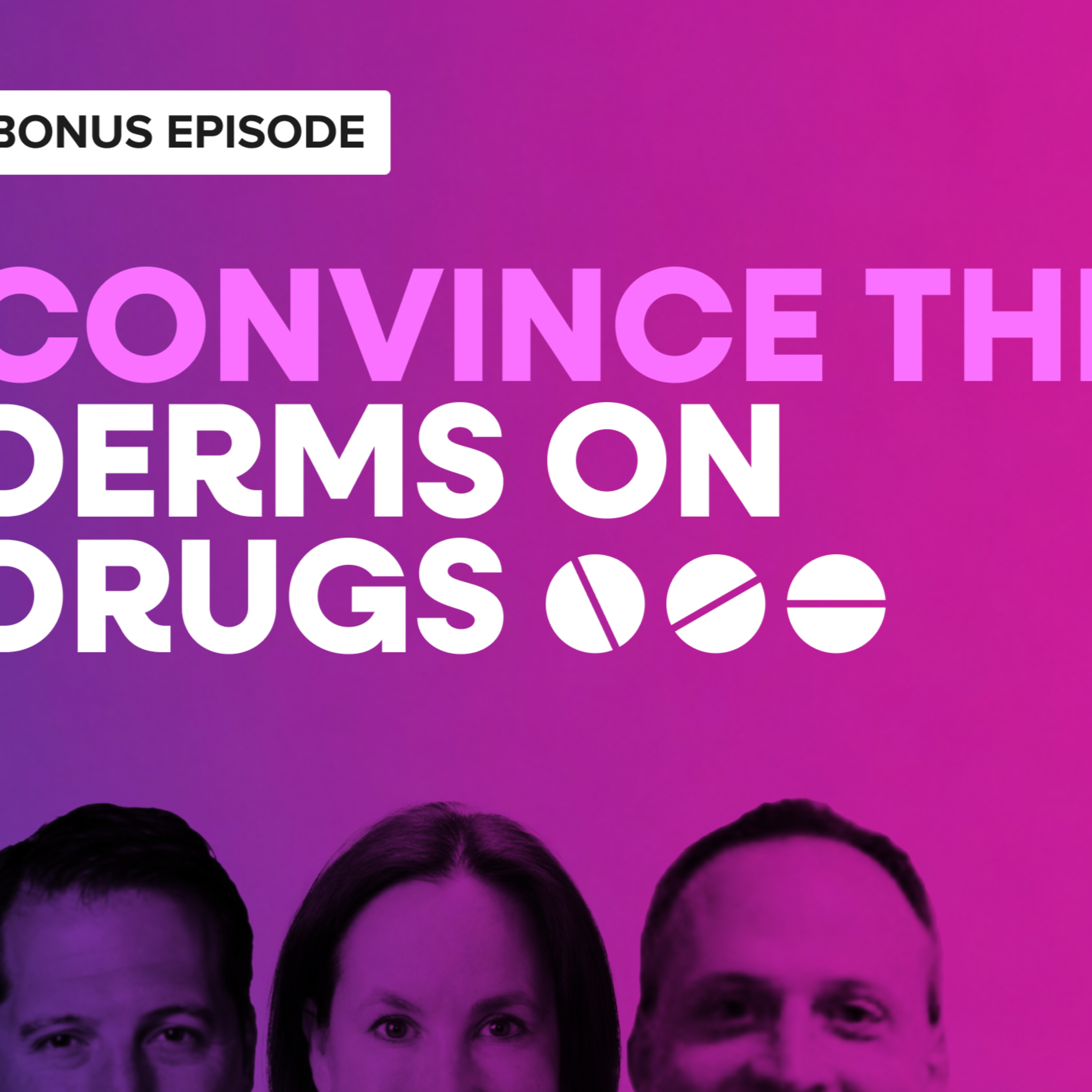
Derms on Drugs is where cutting-edge dermatology meets mediocre comedy. Each week three dermatologists – Matt Zirwas, Laura Ferris and Tim Patton – discuss, debate, and dissect the hottest topics in dermatology.
It's everything you need to know to be on the cutting-edge of dermatology and it’ll be the most fun you’ve ever had while actually learning something useful.
Derms on Drugs is produced by Scholars in Medicine, an online educational platform (scholarsinmedicine.com) exclusively for healthcare professionals of all levels of experience and education.
Podcast Insights
Content Themes
The podcast focuses on a variety of dermatological topics, including drug comparisons, treatment efficacy, skin cancer implications, and patient mental health, with episode examples like 'Olumiant Showdown: Solo vs. Squad' and 'Melanoma's Mental Massacre'. Specific focus areas include updates on innovative treatments, discussions on side effects, and the impact of environmental factors on skin health.
Derms on Drugs is where cutting-edge dermatology meets mediocre comedy. Each week three dermatologists – Matt Zirwas, Laura Ferris and Tim Patton – discuss, debate, and dissect the hottest topics in dermatology.
It’s everything you need to know to be on the cutting-edge of dermatology and it’ll be the most fun you’ve ever had while actually learning something useful.
Derms on Drugs is produced by Scholars in Medicine, an online educational platform (scholarsinmedicine.com) exclusively for healthcare professionals of all levels of experience and education.
Dr. Steve Daveluy makes the case that Cosentyx is the “just right” first biologic for HS—but not every Derm is ready to move past TNFs. Durability, infection risk, IBD, and insurance all enter the argument.
Disclaimer
This podcast’s information is provided for general reference and was obtained from publicly accessible sources. The Podcast Collaborative neither produces nor verifies the content, accuracy, or suitability of this podcast. Views and opinions belong solely to the podcast creators and guests.
For a complete disclaimer, please see our Full Disclaimer on the archive page. The Podcast Collaborative bears no responsibility for the podcast’s themes, language, or overall content. Listener discretion is advised. Read our Terms of Use and Privacy Policy for more details.